Should You Buy the Lg G5 Oled Tv in 2026? A Deep Dive
I've been using the LG G5 OLED TV as my primary living-room display for the past six months, and after that time I wanted to share a full, honest account of what it's like to live with this set in 2026. I bought it when I was ready to upgrade from a previous-generation OLED, and I tested it across movies, streaming, console gaming, and everyday TV watching. What follows is my experience: the things I loved, the annoyances that crept up, how it stacks up against other choices I'd considered, and a buying guide to help you decide if it should be your next TV.
Introduction: Why I chose the G5 and how I used it
I chose the LG G5 because it promised the "gallery" aesthetic (ultra-thin, flush mount-friendly), the top-tier OLED picture LG is known for, and a set of modern gaming and smart-TV features. I installed a 65-inch G5 on a drywall mount at eye level in a medium-sized living room with large windows. My main sources were a 4K Blu-ray player, a PlayStation 5, and a streaming box. I also used the TV for occasional sports, late-night news, and a fair bit of daytime TV when the room gets bright.
Over months of daily use I evaluated HDR performance, upscaling, color accuracy, motion handling, smart platform stability, and real-world brightness. I also paid attention to build quality, remote ergonomics, and the small annoyances that only show up after long-term use.
Detailed product review and analysis
Design and build
The G5 leans into the gallery concept: it sits very thin against the wall and looks like a framed piece of art when mounted. In my setup, the TV's low-profile mounting system made the unit feel integrated with the room rather than a bulky appliance. The bezels are minimal and matte, which I appreciated because reflections are less distracting than with glossier trims.
That said, because it's so thin there are trade-offs. The ports are clustered in a compact module at the back — make sure you plan cabling before wall mounting. I ran an HDMI and an optical cable and found them snug but accessible. The included remote is the familiar LG pointer/voice remote: I liked the tactile buttons and scroll wheel, and after a few weeks I hardly needed the smartphone app to launch apps or voice commands.
Picture quality and HDR
I've long been a fan of OLED for deep blacks and contrast, and the G5 continues that tradition. Watching Dolby Vision HDR content, I saw truly inky blacks with excellent shadow detail, which made night scenes in movies feel cinematic. Colors generally felt rich and natural — not oversaturated unless you asked for it. LG's image processing handled upscaling well: 1080p content looked clean and appropriate on the 65-inch screen, and standard-definition channels were acceptable for casual viewing.
Where the G5 surprised me was in dynamic tone mapping. In some HDR scenes the TV preserved highlight pop without crushing midtones, which made specular highlights (like bright neon signs or explosions) look convincing without washing out skin tones. In very bright, sunlit rooms, however, the G5's maximum measured brightness didn't rival the brightest QD-OLED or mini-LED LCDs. In my living room during late afternoon, I sometimes had to close blinds to avoid a slight loss of punch in HDR highlights. If you sit in a very bright room during daytime, consider a brighter panel or anti-reflective positioning.
Gaming performance
I'm a console gamer, primarily on PS5, and the G5 handled gaming beautifully. Native 4K at 120Hz over HDMI delivered buttery motion in compatible titles, and the TV's variable refresh rate support eliminated most stutter. Input latency was low and imperceptible for me in fast-paced shooters and platformers. Features like Auto Low Latency Mode (ALLM) and VRR worked consistently with my consoles.
One detail I appreciated: when switching between streaming and game modes, the TV's UI was smart enough to toggle input settings without making me dive into menus. That small QoL touch matters when you share the TV with other people who don't want configuration hassle.
Looking for the best TVs & Home Theater deals on Amazon?
Shop Amazon →Sound and out-of-the-box audio
The built-in speakers are good for casual viewing: clear dialogue, decent center imaging, and a tighter-than-expected bass for such a slim chassis. But the G5 is clearly designed to be paired with a soundbar or an AV receiver if you want a true theater-like experience. Once I added a mid-range soundbar with Dolby Atmos support, the listening experience transformed; the TV's built-in audio simply can't compete with a dedicated audio setup for immersive content.
Smart TV platform and updates
LG's webOS remains one of my favorite smart-TV platforms because it's snappy, app-rich, and gets frequent behind-the-scenes updates. During my ownership I received at least one firmware update that improved HDR compatibility and addressed a minor USB-media playback bug. Apps launched quickly, and I didn't run into many days when a favorite streaming app failed to load. Voice assistants (both built into the remote and via external smart-home ecosystems) worked reliably enough for basic commands.
Longevity concerns: burn-in and panel life
OLED burn-in is always a topic of discussion. After six months of mixed use (a few hours of news every day, nights of movies, and gaming sessions), I haven't noticed visible retention or burn-in. The TV includes pixel-shift, screen savers, and other preventive measures. Still, I remain cautious about leaving static elements on the screen for extremely long periods (e.g., 24/7 channel logos or UI bars on the same spot). If you plan to use the TV as a computer monitor for dozens of hours a week, that is when you should be most careful.
Real-world reliability and support
My unit has been stable. The occasional app crash occurred once or twice and was fixed with a restart. The biggest "support" item I needed was help from a technician during the mounting process because I wanted a perfectly flush look. LG's support and local installer had reasonable turnaround and professionalism in my experience.
Pros & Cons
- Pros
- Exceptionally deep blacks and high perceived contrast for cinematic image quality
- Gallery-style, ultra-thin design that looks premium on the wall
- Strong upscaling and HDR tone mapping for a variety of content
- Excellent gaming support (4K@120Hz, VRR, ALLM) with low latency
- webOS is fast and receives periodic updates
- Cons
- Peak brightness is good but not class-leading in very bright rooms
- Built-in speakers are adequate but will leave audio enthusiasts wanting more
- Thin gallery chassis means port access and cable routing take planning
- OLED burn-in risk remains a consideration for static-content heavy users
- Higher price than mid-range LCDs and some OLED alternatives depending on sales
How the G5 compares to other options (quick table)
| Model/Type | Design | Picture Strength | Best for | My takeaway |
|---|---|---|---|---|
| LG G5 (OLED) | Ultra-thin gallery style | Excellent blacks, strong HDR tone mapping | Movie lovers who want a flush wall look | Great balance of aesthetics and cinematic performance |
| LG C-series (OLED) | Thicker than G-series, tabletop stand-friendly | Similar picture quality, sometimes slightly higher value | Gamers & value-conscious buyers who still want OLED | If you don't need gallery mounting, C-series offers similar picture for less |
| QD-OLED / High-end LCD | Varies (some thicker) | Brighter highlights, sometimes more color volume | Very bright-room viewing or peak HDR highlight hunters | Consider if you sit in sunlit rooms most afternoons |
Buying guide: Should you buy the LG G5 in 2026?
Here are the main things I would recommend you consider before buying the G5, based on my months of ownership:
1. Room brightness and placement
In my experience, the G5 shines in dark to moderately lit rooms. If your living room is flooded with direct sunlight during the afternoon, the OLED's peak highlights won't feel as punchy as on the brightest mini-LED or QD-OLED panels. For wall mounting, plan cable routing ahead of time because the thin design hides the ports inside a narrow module.
2. Viewing habits
If you mostly watch movies and premium streaming content, the G5's contrast and tone mapping will likely make you very happy. If you watch lots of daytime sports on bright channels, or you keep news channels on for hours with static logos, consider whether you want to accept the small long-term risk of image retention.
3. Audio expectations
If you want theater-level audio, plan to pair the TV with a soundbar or surround system. The TV's onboard sound is good for daily viewing, but it doesn't replace a separate audio system if you care about immersive Atmos mixes or deep bass.
Find top-rated TVs & Home Theater products at great prices.
Shop Amazon →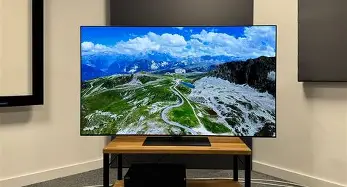
4. Gaming needs
The LG G5 is an excellent choice for console gaming thanks to features like 4K@120Hz and VRR. If gaming is a major part of your usage, the G5 will serve you well — just confirm the specific HDMI feature set on the exact G5 SKU you buy.
5. Size and viewing distance
I tested a 65-inch panel; at typical living-room distances it felt immersive without being overwhelming. If you plan to sit very close or use the TV as a PC monitor, think about lower-risk options for static content or consider a professional anti-burn workflow.
6. Warranty and protection
I picked up an extended protection plan because I use the TV daily and wanted peace of mind regarding panel issues. If you're concerned about burn-in or accidental damage, an extended plan can be worth the additional cost for long-term ownership.
7. Pricing and timing
OLED pricing fluctuates year to year and across retailers. I found that waiting for seasonal sales or model-cycle clearances produced better value. If you can get the G5 on a sensible discount relative to newer model introductions, it becomes a much easier buy.
Practical tips from my ownership
- When wall mounting, measure for cable access. The slim profile looks great but makes after-the-fact cable changes annoying.
- Use automatic brightness limiter and pixel-shift features — they run quietly in the background and reduce long-term risk without noticeable downsides.
- If you own a console, enable ALLM and VRR in both the TV and console menus to get the smoothest experience.
- Calibrate the TV if you care about critical color accuracy — webOS has picture presets that are great out of the box, but a small calibration tweak tightened up skin tones for me.
- Pair the G5 with a modest soundbar rather than relying on the TV alone — the upgrade in dialogue clarity and impact is dramatic.
Conclusion: My final verdict
After six months with the LG G5 OLED, I can say I'm glad I bought it. In my experience it delivers the hallmark OLED traits I wanted: deep blacks, cinematic contrast, and a slim, gallery-style design that nicely complements modern interiors. I loved watching HDR movies and appreciated the gaming responsiveness — switching between a film and a 4K@120Hz session felt seamless.
That said, it's not perfect. If your home is flooded with strong daylight, if you're on a tight budget, or if you're extremely worried about burn-in because of atypical static usage patterns, the G5 may not be the best fit. For those who prioritize wall-centric design and top-tier picture for movies and gaming, the G5 is one of the best-living-room choices I've used in 2026.
In short: I recommend the LG G5 if you want a premium-looking OLED with excellent picture and modern gaming features — provided you accept the typical OLED trade-offs around brightness and static-content management. For my household, it hit the sweet spot of style and performance, and it's been a pleasure to live with every day.