Biggest Level Over Wireless Buying Mistakes (And How to Avoid Them)
Introduction
The Level Over Wireless headphones occupy a familiar niche in the over-ear wireless category: large, comfortable earcups, approachable sound, and a focus on everyday listening rather than audiophile perfection. For many buyers the name evokes a straightforward promise—convenient wireless freedom without sacrificing the stereo image or wearing comfort of a traditional over-ear pair.
Yet potential buyers make predictable mistakes when evaluating the Level Over Wireless and similarly positioned over-ear models. This guide explains the common pitfalls, analyzes the Level Over Wireless in practical terms, and gives actionable advice so readers can make an informed purchase. The tone is editorial and pragmatic, focusing on real-world use cases such as commuting, remote work, video conferencing, casual home listening, and content consumption on tablets and TVs.
Detailed Product Review and Analysis
Design and Build
The Level Over Wireless presents a classic over-ear silhouette with large padded cups and a headband that balances pressure across the skull. Materials typically include matte plastics with metal reinforcements in the headband; this combination keeps weight down while maintaining acceptable rigidity. For everyday use—commuting, desk work, and travel—this design is generally practical: it folds or collapses for storage in a carry bag and resists fingerprints and scuffs better than glossy finishes.
However, buyers should examine two details closely before committing: the hinge construction and pad attachment method. Hinge joints are the most common failure point for portable over-ear headphones, especially if the product will be carried in backpacks or used frequently while commuting. Removable or replaceable ear pads are a plus because pads wear down with sweat and repeated use. The Level Over Wireless often ships with non-proprietary pads that can be replaced by third-party options, which is an advantage for long-term ownership.
Comfort and Fit
Comfort is one of the top deciding factors for over-ear purchases. The Level Over Wireless tends to offer generous earcup depth and soft padding, making it suitable for long listening sessions. Still, buyers with larger heads should verify clamping force: a fit that is too loose will cause poor isolation and positional instability, while a fit that is too tight will quickly become uncomfortable.
For users who wear glasses, the combination of clamp and pad firmness can lead to pressure at the temples. When possible, testing the headphones for at least 15–30 minutes in-store or under a flexible return policy is recommended to ensure a comfortable, pressure-free fit.
Sound Quality
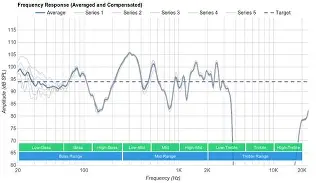
Sound signature is where buyer expectations and reality often diverge. The Level Over Wireless typically aims for a balanced presentation with slight bass emphasis to appeal to mainstream listeners. This results in punchy, engaging low end for pop and hip-hop while retaining midrange clarity for vocals and podcasts.
Important sound attributes to consider:
- Bass character: Often robust but not overblown—enough for satisfying beats without masking mids.
- Midrange: Generally forward enough for clear vocals and dialogue, which is beneficial for conferencing and TV watching.
- Treble: Controlled and not fatiguing, though high-resolution textures may be less pronounced than on premium audiophile models.
- Soundstage and imaging: Over-ear designs provide a wider impression than in-ear options, but the Level Over Wireless will not produce the extreme breadth of larger, open-back reference headphones.
Buyers who prioritize critical listening—mixing, mastering, or genre-specific accuracy—should temper expectations. For everyday use, media consumption, and casual music enjoyment, the sonic balance is a reliable compromise.
Connectivity, Codecs, and Latency
Bluetooth performance is a practical selling point. The Level Over Wireless supports mainstream Bluetooth codecs, and in many iterations it handles AAC and SBC; some variants also add aptX for lower-latency, higher-fidelity transmission with compatible devices.
Common buying mistakes arise from misunderstanding codecs and latency: buyers who plan to watch videos or play games with the headphones must prioritize low latency. If the model lacks aptX Low Latency or a modern Bluetooth version with codec negotiation, sync issues between audio and video can become obvious. For remote workers who join video calls, consistent Bluetooth connectivity and multipoint pairing (connecting to a laptop and a phone simultaneously) are features that deliver daily convenience.
Battery Life and Charging
Battery life is a major consideration for frequent travelers and commuters. The Level Over Wireless provides practical runtimes for commuting and short flights, and it charges via a standard port. But assumptions about "all-day" battery performance can be misleading—buyers should verify how the manufacturer defines battery life (continuous music playback at a certain volume, or intermittent use with standby time). Additionally, some users value fast-charge capability—short top-ups that provide hours of playback from a few minutes of charging—which is useful before a quick trip.
Discover deals on Audio & Headphones — updated daily.
See Deals →Controls, Microphone, and Call Quality
On-headphone physical controls for playback, volume, and call handling are part of the user experience. The Level Over Wireless includes tactile buttons or a multifunction pad that are easy to locate by touch. Microphone performance is adequate for most meeting scenarios; however, ambient noise rejection varies and will affect call clarity in busy environments. Buyers who conduct frequent outdoor calls should prioritize models with stronger beamforming mic arrays or active noise suppression for voice.
Noise Isolation and ANC
The Level Over Wireless offers good passive isolation due to the over-ear design and snug earcups. If active noise cancellation (ANC) is present in a variant, it typically reduces low-frequency hum (aircraft engines, train rumble) but may not be as aggressive as noise-focused premium models. Buyers who travel often or work in loud open offices should compare the strength of ANC and read user reports about effectiveness in real-world scenarios.
Pros & Cons
- Pros
- Comfortable over-ear padding suitable for extended listening sessions
- Balanced sound signature geared toward mainstream music and media
- Practical build that balances weight and durability
- Useful feature set for daily use: on-headphone controls, microphone for calls, and solid passive isolation
- Replaceable pads in many versions, extending usable life
- Cons
- Not a reference-level choice for critical studio work
- Bluetooth codec support and latency vary by model—may not suit gamers or video editors
- ANC, if included, may be weaker than top-end noise-cancelling competitors
- Hinge joints can be a reliability concern if carried roughly
How the Level Over Wireless Performs in Real-World Use Cases
Commuting and Travel
For daily commuters, the Level Over Wireless scores on comfort and passive isolation. The padding reduces ear fatigue on long journeys, while the sound signature masks ambient noise without requiring very high volumes. However, frequent flyers who expect state-of-the-art ANC should compare models with proven noise-cancelling performance.
Work-from-Home and Video Conferencing
Remote workers benefit from the over-ear comfort and clear midrange reproduction; voices come through naturally, and on-headphone controls simplify call handling. If meetings are conducted in noisy households, a stronger microphone system or a dedicated headset may be preferable for consistently clear speech pickup.
Home Media Consumption and TV Use
Watching films and streaming shows is a good match: the headphones deliver immersive low end and clear dialogue. Be mindful of latency if the headphones will be paired to a TV. For users who watch content from a smart TV or streaming box, using the TV’s Bluetooth transmitter with low-latency codecs or a wired connection (if available) will minimize lip-sync issues.
Exercise and Outdoor Use
While the Level Over Wireless offers a secure fit for walking and light outdoor activities, over-ear models are generally bulkier and can trap heat. Buyers who plan to exercise intensively or run should consider sweat resistance and a more compact on-ear or true wireless earbud option.
Comparison Table: Level Over Wireless vs. Typical Alternatives
| Category | Level Over Wireless | ANC Over-Ear Flagship | Budget Over-Ear | True Wireless Earbuds |
|---|---|---|---|---|
| Typical Battery Life | Moderate—practical for commuting | Long—designed for extended travel | Shorter—compromised for cost | Short per bud, but case extends total hours |
| Sound Signature | Balanced with light bass emphasis | Refined, tuned for clarity and isolation | Emphasized bass, less detail | Compact, often bass-forward |
| Noise Cancellation | Passive isolation; ANC varies by model | Strong ANC across frequencies | Little or no ANC | Some models have ANC, but effectiveness varies |
| Comfort for Long Sessions | High—large pads and pressure distribution | High—engineered for travel comfort | Varies—padding may be thin | Lower—ears can tire after extended use |
| Best For | Everyday listening, commuting, office use | Frequent travelers and noisy environments | Casual buyers on a budget | Active users and on-the-go convenience |
Biggest Buying Mistakes and How to Avoid Them
Mistake 1: Prioritizing Specs Over Experience
Many buyers fixate on headline specs—Bluetooth version, listed battery hours, or bass boost statements—without considering how those specs translate to daily use. The Level Over Wireless excels where comfort, consistent sound, and simple controls matter most, so evaluate the listening experience directly whenever possible.
How to avoid: Test the headphones with familiar music tracks, make a sample call, and try the controls. Read user reports about long-term comfort rather than relying only on spec sheets.
Mistake 2: Ignoring Codec and Latency Needs
Assuming all Bluetooth audio is the same leads to mismatched expectations for video and gaming. Latency can result in noticeable lip-sync problems when watching videos on a tablet or laptop.
How to avoid: Confirm codec support (aptX, aptX LL, AAC, LDAC) and the Bluetooth version. If low latency is crucial, prioritize devices that advertise aptX Low Latency or use a wired option where possible.
Mistake 3: Overlooking Fit and Clamping Force
A comfortable pair of headphones can become unbearable after an hour if the clamping force is excessive. Conversely, a too-loose fit undermines isolation and bass response.
How to avoid: Try the headphones in person for extended periods when possible, or buy from retailers with generous return policies. Check whether ear pads are replaceable to correct long-term fit issues.
Shop the latest Audio & Headphones picks on Amazon.
Browse Now →Mistake 4: Assuming ANC is Present and Effective
Not all wireless over-ear models include active noise cancellation, and among those that do, effectiveness varies widely.
How to avoid: Verify whether the Level Over Wireless variant includes ANC and read real-world reviews focused on different noise environments (aircraft, subway, cafe) rather than lab measurements alone.
Mistake 5: Forgetting About Long-Term Maintenance
Headphones are worn devices that collect oils, sweat, and grime. Some designs lock users into proprietary parts or non-replaceable padding, increasing long-term cost.
How to avoid: Prefer models with replaceable ear pads and available spare parts. Inspect how pads attach and whether the headband padding is serviceable.
Mistake 6: Not Checking Warranty and Return Policies
Even well-built products can have defects. A narrow warranty period or strict return terms can leave buyers stuck with a flawed device.
How to avoid: Confirm warranty length and what it covers (electronics vs. wear items), and purchase from sellers with clear return windows so the Level Over Wireless can be trialed in the buyer’s normal environment.
Mistake 7: Neglecting Multipoint and Ecosystem Compatibility
Users often expect seamless switching between devices. Some models support multipoint Bluetooth connections (e.g., phone and laptop simultaneously), while others do not.
How to avoid: If switching between devices frequently is important, confirm multipoint support. Test or research how the headphones behave with the intended phone and laptop operating systems.
Buying Guide: What to Check Before Buying Level Over Wireless
- Intended primary use: Decide whether the headphones will primarily be for commuting, office work, travel, or home listening. This determines whether ANC, lightweight build, or sound fidelity should be prioritized.
- Comfort test: If possible, try the headphones for at least 15–30 minutes wearing glasses and without to assess clamping pressure and pad comfort.
- Codec support and latency: Match the headphones’ Bluetooth codec support to the primary source device (phone, tablet, laptop). For streaming video, low latency matters more than theoretical bitrate.
- Battery expectations: Understand how battery life is measured and whether fast-charge is available for quick top-ups.
- ANC and isolation: If noise reduction is crucial, compare measured and user-reported ANC effectiveness in real-world environments.
- Controls and usability: Check that in-line or on-ear controls are intuitive and reliable; ensure the microphone quality is sufficient for typical call environments.
- Durability and parts: Look for replaceable pads, sturdy hinges, and a warranty that covers real-world wear issues.
- Return policy: Buy where a reasonable return window exists so proper at-home testing is possible.
Conclusion
The Level Over Wireless is a pragmatic choice for buyers who want comfortable, reliable over-ear wireless headphones for everyday listening, commuting, and remote work. The most common mistakes revolve around assuming specifications guarantee the right user experience—especially for latency-sensitive activities, long-term comfort, and noise cancellation strength.
To avoid regrettable purchases, buyers should test fit and comfort when possible, confirm codec and multipoint support, verify battery and charging behavior, and read realistic user reviews about ANC and microphone performance in intended use environments. With the right expectations and a careful pre-purchase check, the Level Over Wireless delivers a balanced and durable solution for many people's daily audio needs.